Smart Switches vs Traditional Switches: Which One is Better for Modern Homes?
Modern homes are becoming smarter, more stylish, and more energy-efficient than ever before. From automated lighting systems to voice-controlled appliances, technology is transforming the way we interact with our living spaces. One important part of this transformation is the evolution of electrical switches.
Traditional switches have been used for decades and are still common in many homes. However, smart switches are rapidly gaining popularity because of their advanced features, convenience, and modern design.
In this article, we will compare smart switches and traditional switches to help you understand which option is better for modern homes.
What Are Traditional Switches?
Traditional switches are basic electrical switches used to manually turn lights and appliances on or off. They are simple, reliable, and widely used in residential and commercial buildings.
Features of Traditional Switches
- Manual operation
- Affordable pricing
- Easy installation
- Minimal maintenance
- Available in various designs and finishes
Traditional switches are ideal for simple electrical setups where automation is not required.
What Are Smart Switches?
Smart switches are advanced electrical switches that allow users to control lights and devices remotely using smartphones, voice assistants, or automation systems.
They connect through:
- Wi-Fi
- Bluetooth
- Smart home systems
- Mobile applications
Smart switches offer greater control, convenience, and energy management capabilities.
Key Differences Between Smart and Traditional Switches
1. Convenience
Traditional switches require physical operation, while smart switches allow remote control from anywhere.
With smart switches, users can:
- Turn lights on/off remotely
- Schedule operations
- Use voice commands
- Automate lighting systems
This makes smart switches highly convenient for modern lifestyles.
2. Energy Efficiency
Smart switches help reduce electricity consumption by allowing users to schedule and automate appliances efficiently.
For example:
- Automatic light shutdown
- Motion-based operation
- Timer settings
- Energy monitoring features
Traditional switches do not offer these advanced energy-saving functions.
3. Safety Features
Modern smart switches often include:
- Overload protection
- Child safety features
- Smart monitoring
- Surge protection integration
These features improve overall electrical safety in homes and offices.
4. Design and Aesthetics
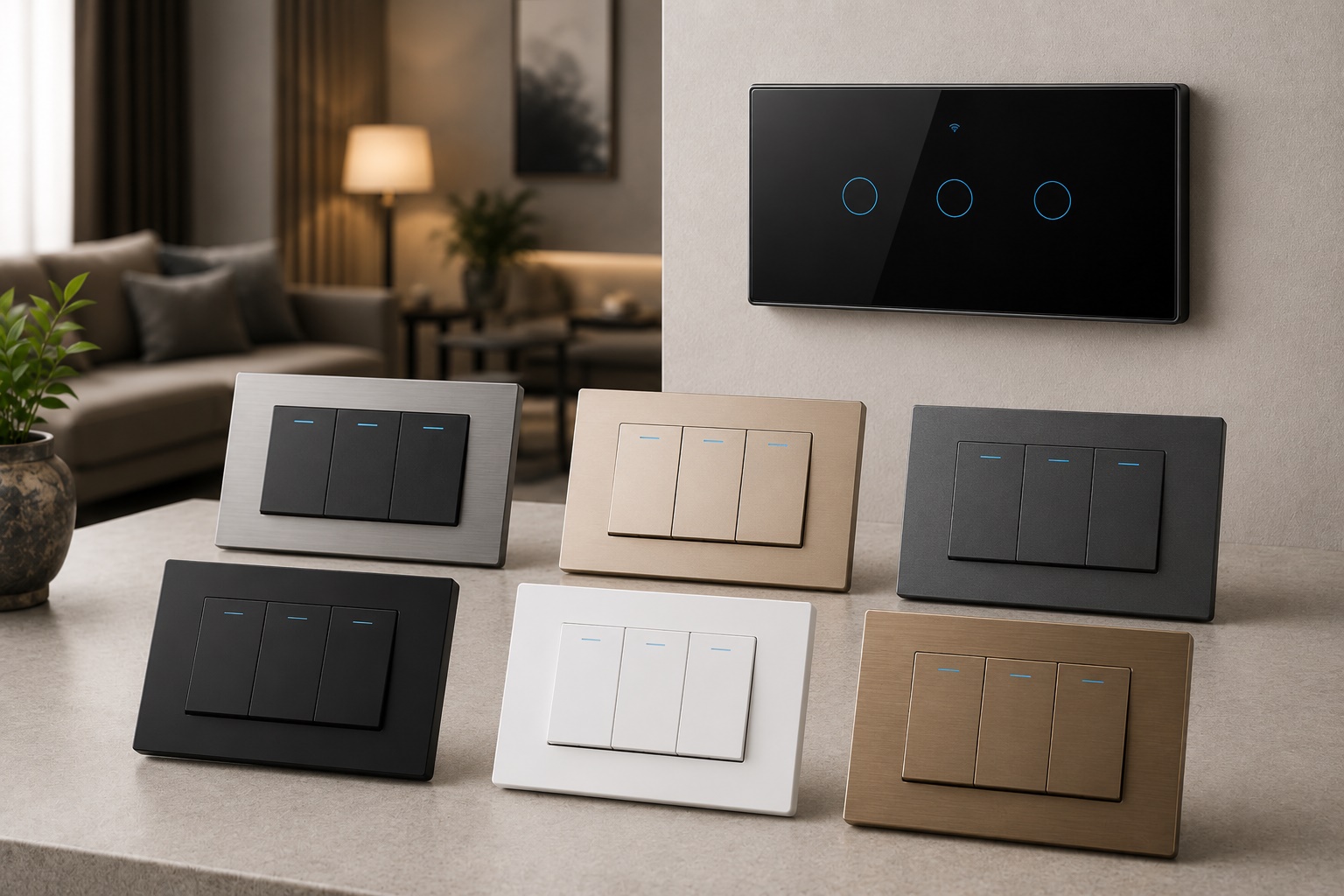
Smart switches are designed with modern interiors in mind. They usually feature:
- Sleek touch panels
- Glass finishes
- LED indicators
- Premium modular designs
Traditional switches are simpler and more functional in appearance.
5. Cost Comparison
Traditional switches are generally more affordable and easier to install.
Smart switches involve:
- Higher initial cost
- Internet or smart system setup
- Professional installation in some cases
However, their convenience and energy-saving capabilities can provide long-term value.
6. Installation Requirements
Traditional switches can easily replace older switches without additional setup.
Smart switches may require:
- Neutral wiring
- Wi-Fi configuration
- Smart home integration
Proper installation ensures smooth performance and reliability.
Benefits of Smart Switches
Enhanced Comfort
Users can control lights and appliances without physically touching switches.
Smart Home Integration
They work seamlessly with:
- Alexa
- Google Assistant
- Smart automation systems
Better Energy Management
Automation helps reduce unnecessary electricity usage.
Modern Appearance
Smart switches add a luxurious and futuristic look to interiors.
Benefits of Traditional Switches
Cost Effective
Traditional switches are budget-friendly and widely available.
Reliable Performance
They operate without internet dependency or software systems.
Simple Usage
Anyone can use them easily without technical knowledge.
Easy Maintenance
Traditional switches require minimal maintenance and troubleshooting.
Which One Should You Choose?
The right choice depends on your requirements, budget, and lifestyle.
Choose Smart Switches If:
- You want home automation
- You prefer remote control features
- You value modern aesthetics
- You want energy-saving solutions
Choose Traditional Switches If:
- You prefer simplicity
- You have a limited budget
- You do not require automation
- You want easy installation
Conclusion
Both smart switches and traditional switches have their own advantages. Traditional switches remain a reliable and economical choice, while smart switches offer advanced convenience, automation, and modern functionality.
As homes continue to evolve with technology, smart switches are becoming an increasingly popular option for homeowners looking to create efficient and connected living spaces.
Choosing high-quality electrical accessories from trusted manufacturers ensures long-term safety, durability, and performance for every home and commercial environment.